Thinner air changes combustion
Air at Denver's elevation holds roughly 17 percent less oxygen per cubic foot than air at sea level. A gas burner set up for sea level gets the same gas but less oxygen, which can make it burn rich. That leads to soot, higher carbon monoxide and parts that wear out early.
Manufacturers handle this with altitude derating. Many follow a common rule of reducing input by about 4 percent for every 1,000 feet above 2,000 feet, though each appliance has its own instructions. Some need a different orifice or a high altitude kit, while some modern units adjust through settings.
What it means for a water heater
A gas tank water heater that is properly derated puts slightly less heat into the water per hour. That is one reason Denver sizing differs from charts written for sea level. When we replace a tank, we check that the model is approved for altitude and that the venting draws properly.
What it means for a tankless heater
Tankless units are sold by maximum BTU input, and that number shrinks at altitude. Combine it with winter inlet water in the 40s and a unit that looks generous on paper may only run one shower comfortably in January. Our tankless altitude calculator shows the effect for your elevation.
- Ask for the derated input at your elevation, not the sea level rating
- Size for winter inlet temperature, not summer
- Confirm the gas line can supply the full load
What it means for a furnace
High efficiency furnaces need correct gas pressure and sometimes a pressure switch rated for altitude. A furnace that keeps shutting off on cold days can be fighting a setup problem rather than a failed part.
How to check your own equipment
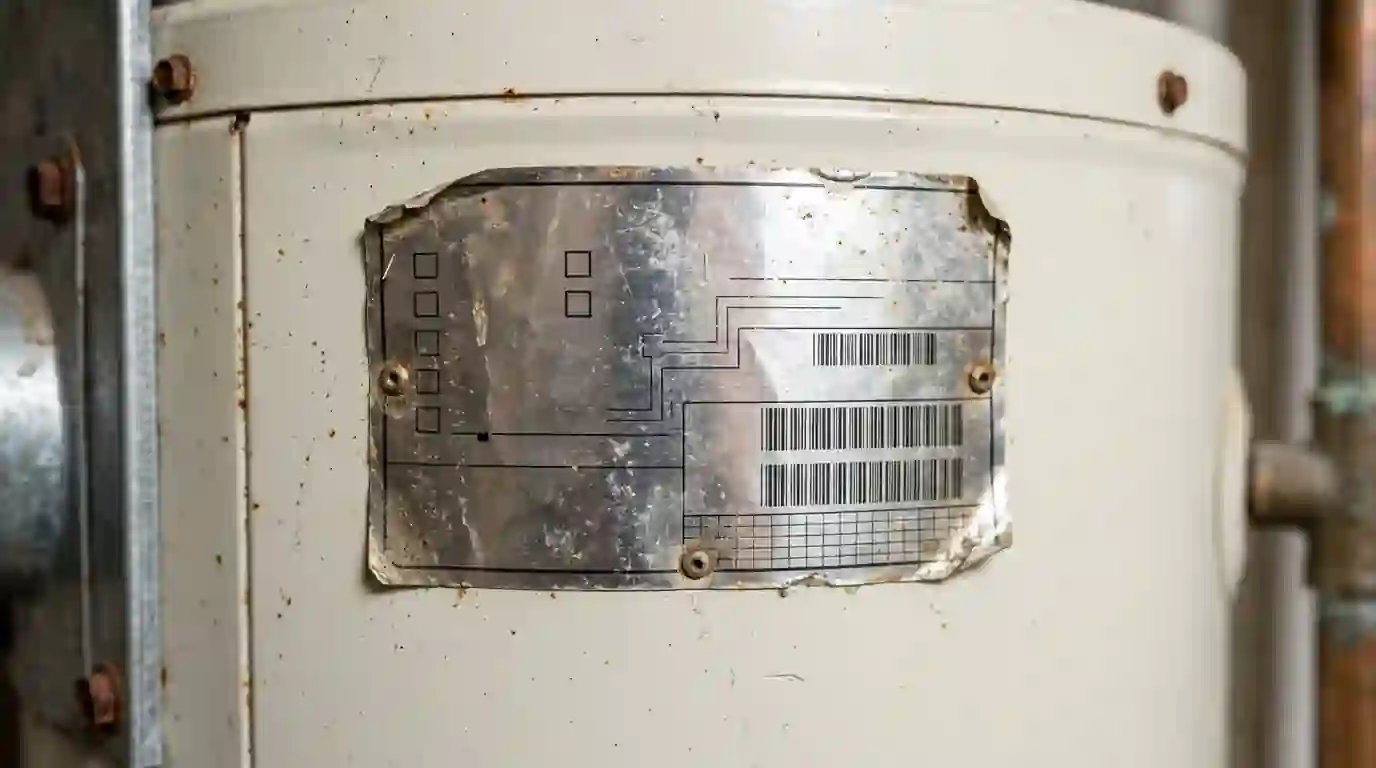
Look for a label on the appliance that lists an approved altitude range or a high altitude conversion. If you are unsure, a combustion test during a tune up shows how the burner is actually running.
Want a plumber to take a look?
Call any hour. A person answers and can usually tell you on the phone whether it needs a visit.