Which homes are most likely to have lead
Lead service lines were common in homes built before the mid 1950s, and lead solder was used on copper joints until it was banned for drinking water in 1986. Large parts of central Denver, from Highland to Congress Park to Washington Park, fall in that first group.
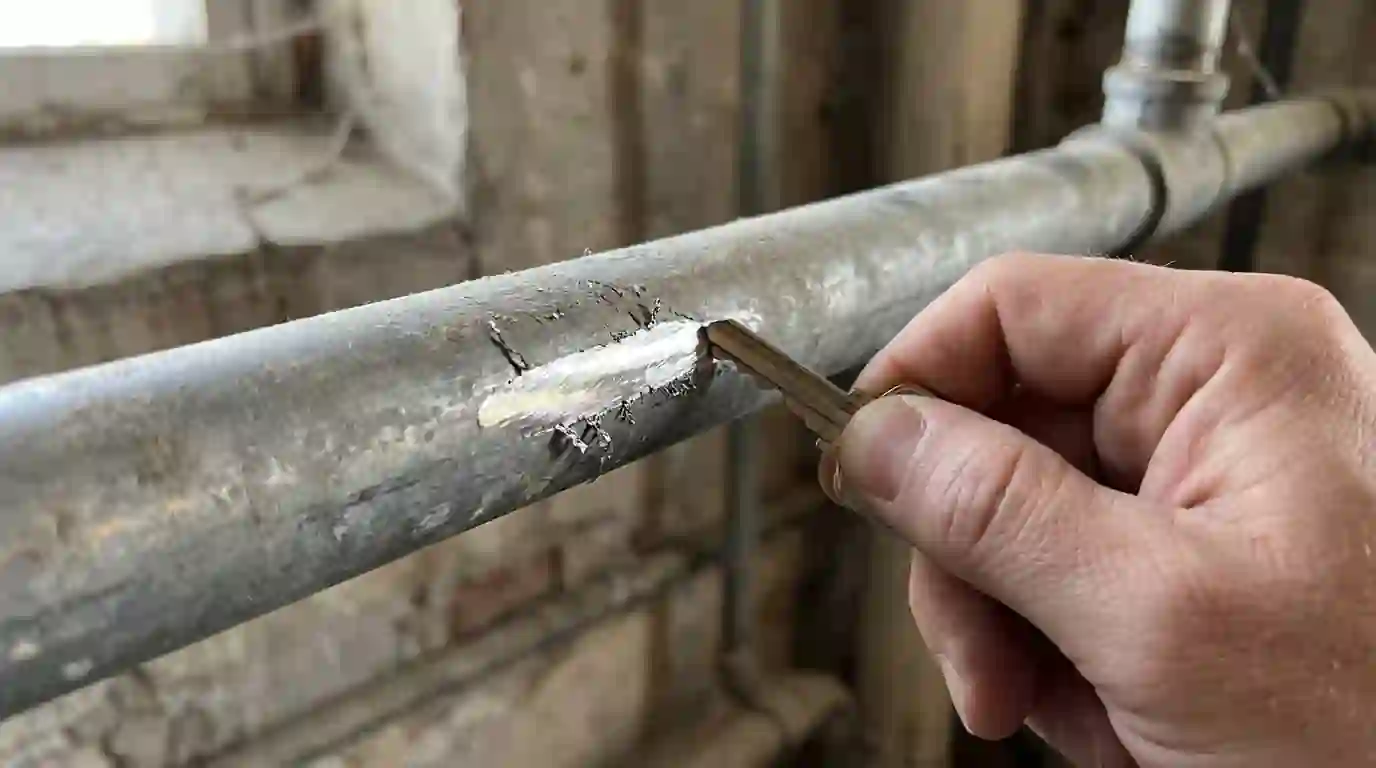
The two minute test
Find the pipe where water enters your house, usually in the basement on the wall closest to the street, before the meter or main valve.
- Scratch the pipe gently with a key or coin
- If it scratches to a shiny silver and feels soft, it may be lead
- Put a magnet on it. Lead and copper do not attract a magnet; galvanized steel does
- Copper scratches to a penny color; galvanized stays dull gray
What your utility may already know
Denver Water keeps records on service line materials and runs a program to replace lead service lines across its service area. If you are a Denver Water customer, check with the utility about your address and any filter they provide.
What to do in the meantime
Use cold water for drinking and cooking. Run the tap for a few minutes when water has sat overnight. Use a filter certified to reduce lead, and change cartridges on schedule. Clean faucet aerators, where small particles can collect.
What a plumber can do
A plumber can confirm the material, check for lead solder and galvanized piping inside the home, and replace the private side piping. If the utility is replacing its part of the line, timing the two jobs together saves digging twice.
Want a plumber to take a look?
Call any hour. A person answers and can usually tell you on the phone whether it needs a visit.