Frozen pipe risk check
Front Range cold snaps can drop the temperature 40 degrees in an afternoon. Rate one pipe at a time and see what to do before tonight.
A planning guide based on common freeze patterns, not a guarantee. If a pipe has already frozen or burst, shut off the main water valve and call (720) 964-0667.
How the score works
The check starts with how far tonight's low sits below the point where pipes in that spot usually start to freeze, then adds wind, an empty house and a low thermostat, and subtracts for insulation or heat cable.
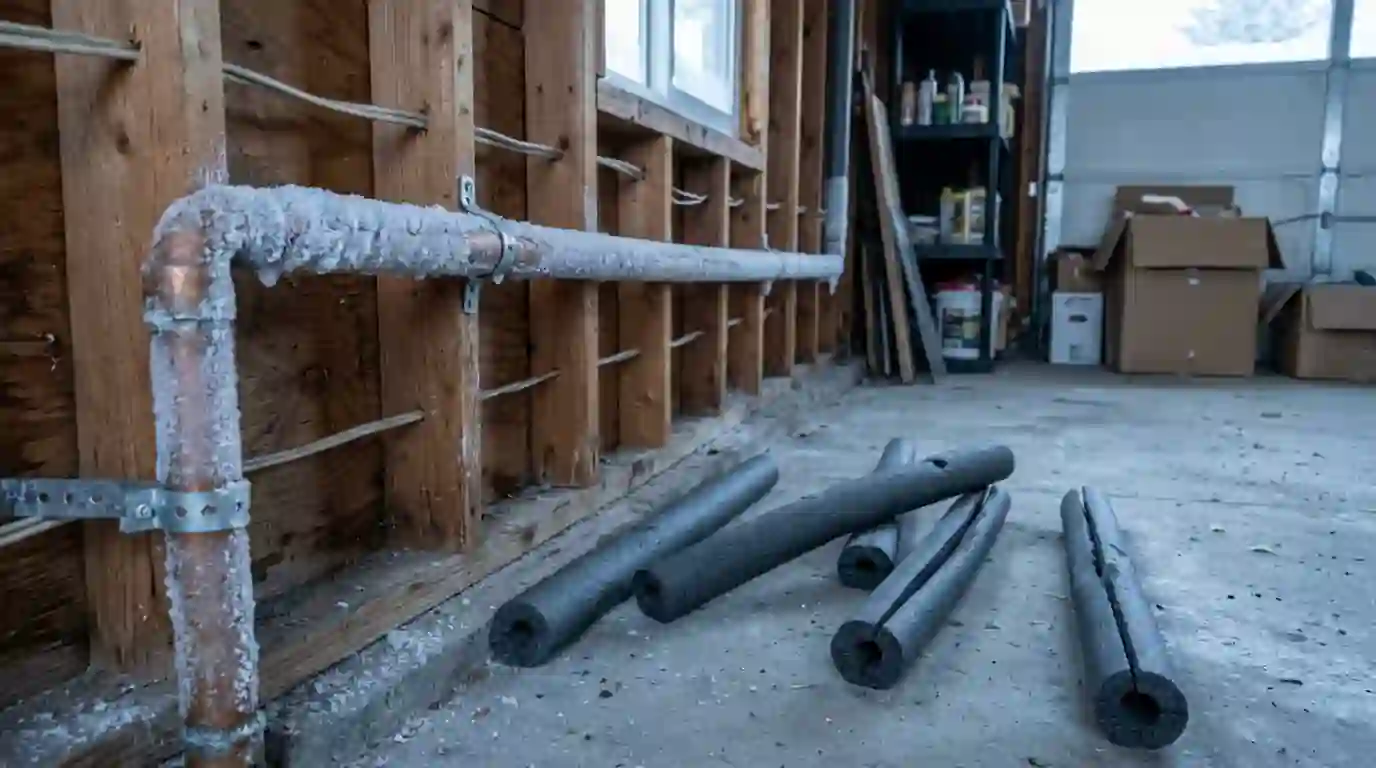
Exterior walls, crawlspaces and garages lose heat fastest, especially on north and west walls when an arctic front brings wind down the Front Range.
Already frozen?
Open the faucet, warm the pipe gently with a hair dryer and never use a flame. If you cannot reach the frozen section, shut off the main and call us before it thaws.
Frozen and burst pipe repair · Plumbing winterization · Freeze prevention guide
Freeze questions
At what temperature do pipes freeze in Denver homes?
Water freezes at 32 F, but pipes inside walls are usually protected until outdoor temperatures drop into the low 20s or teens for several hours. Wind, drafts and unheated spaces make freezing happen at warmer outdoor temperatures.
Should I drip faucets every cold night?
Only on the coldest nights, roughly when the forecast low is in the teens or below, and only on faucets fed by pipes in exterior walls, garages or crawlspaces. A slow drip of hot and cold keeps water moving.
Pipe already frozen or split?
Shut off the main water valve, then call. A person answers any hour.