Where your water comes from
Denver Water draws mostly from mountain snowmelt, which picks up fewer minerals than groundwater. That keeps hardness relatively low. Nearby cities on different supplies, along with homes on wells, can run noticeably harder.
Signs your water is hard
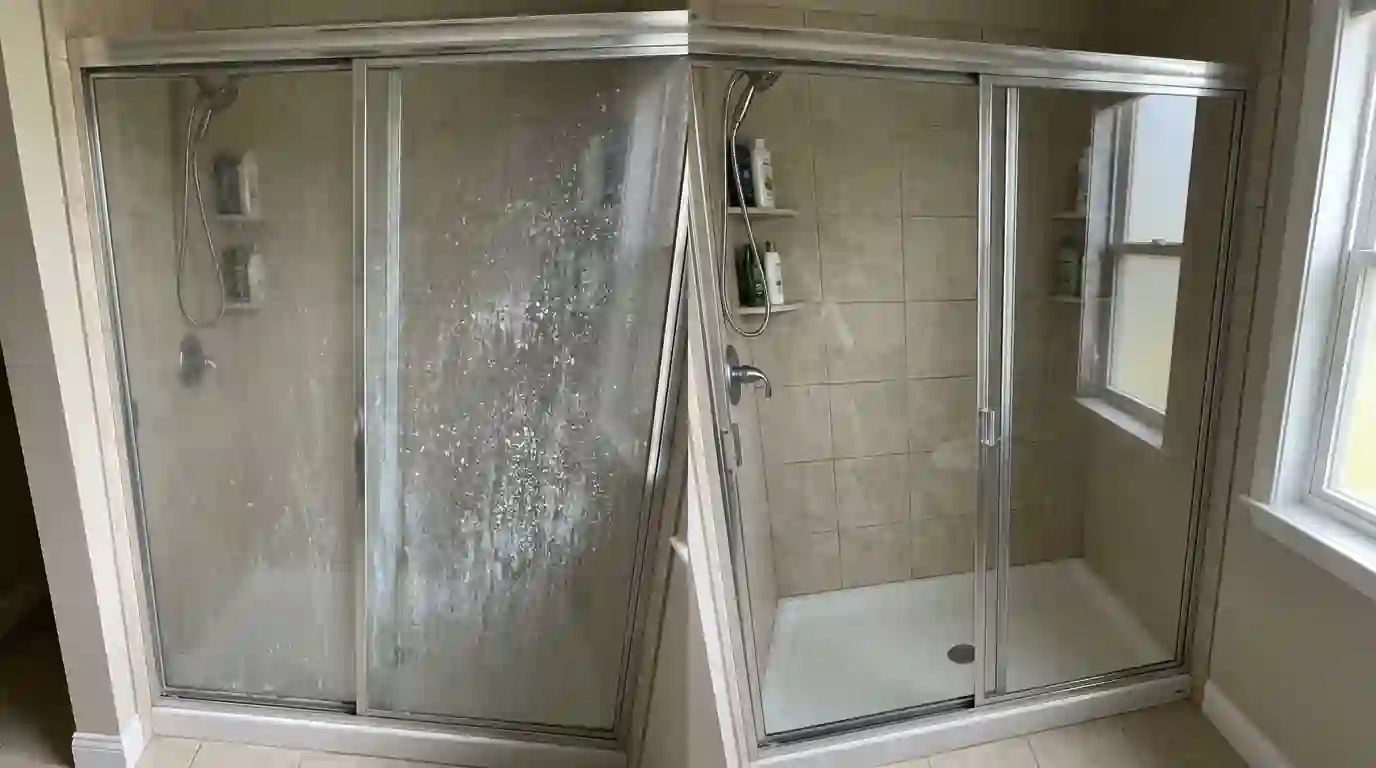
- White crust on faucets and showerheads
- Spots on glasses after the dishwasher
- Soap that does not lather well
- Scale in a tankless heater or a rumbling tank
Test before you buy
A simple hardness test tells you grains per gallon. Below about 3 grains, most households do not need a softener. Between about 3 and 7, it depends on your appliances and preferences. Above 7, a softener usually pays for itself in appliance life.
Taste is a different issue
Many people who think they need a softener actually want better taste. Denver Water uses chloramine for disinfection, and a catalytic carbon filter addresses taste and odor without softening.
If you have a tankless heater
Even moderate hardness builds scale in a tankless heat exchanger. A yearly flush handles it for most Denver homes. Homes with harder water may want a scale inhibitor or softener ahead of the unit.
Want a plumber to take a look?
Call any hour. A person answers and can usually tell you on the phone whether it needs a visit.